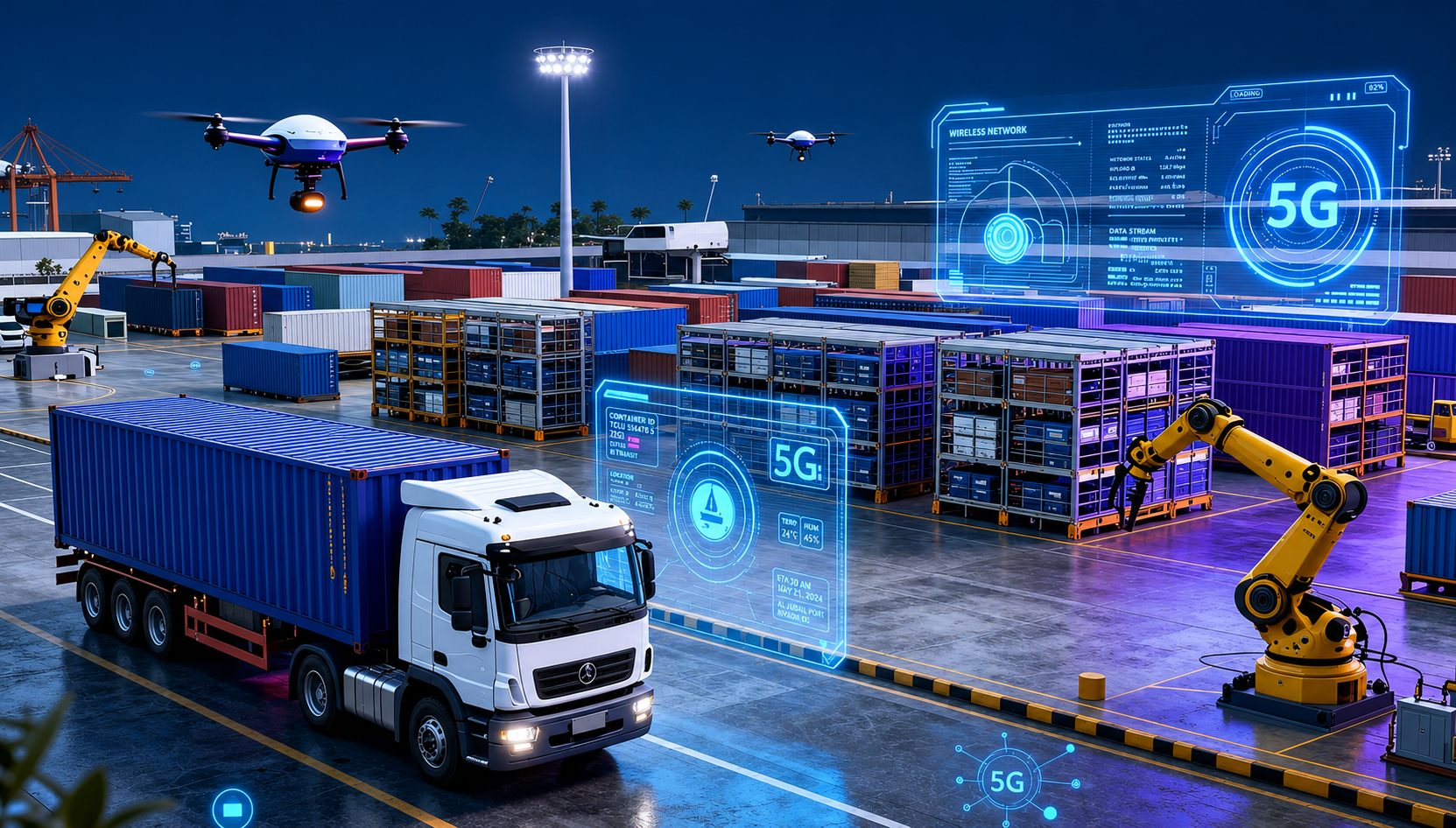
Freight forwarding in Singapore is no longer just about moving cargo from A to B. AI freight forwarding in Singapore is changing how businesses plan shipments, control costs, and clear customs — faster and with fewer errors than before. From predicting freight rates to automating paperwork, artificial intelligence is now a working part of how modern logistics operates.
But technology alone does not move cargo. The freight forwarders who use these tools most effectively are the ones who combine them with deep regional knowledge and experienced teams who know when to act on the data. If you are a business owner or operations manager looking for a smarter way to move cargo, this article breaks down exactly what is changing and why it matters for your business.
Key Takeaways
What AI Actually Does in Freight Forwarding
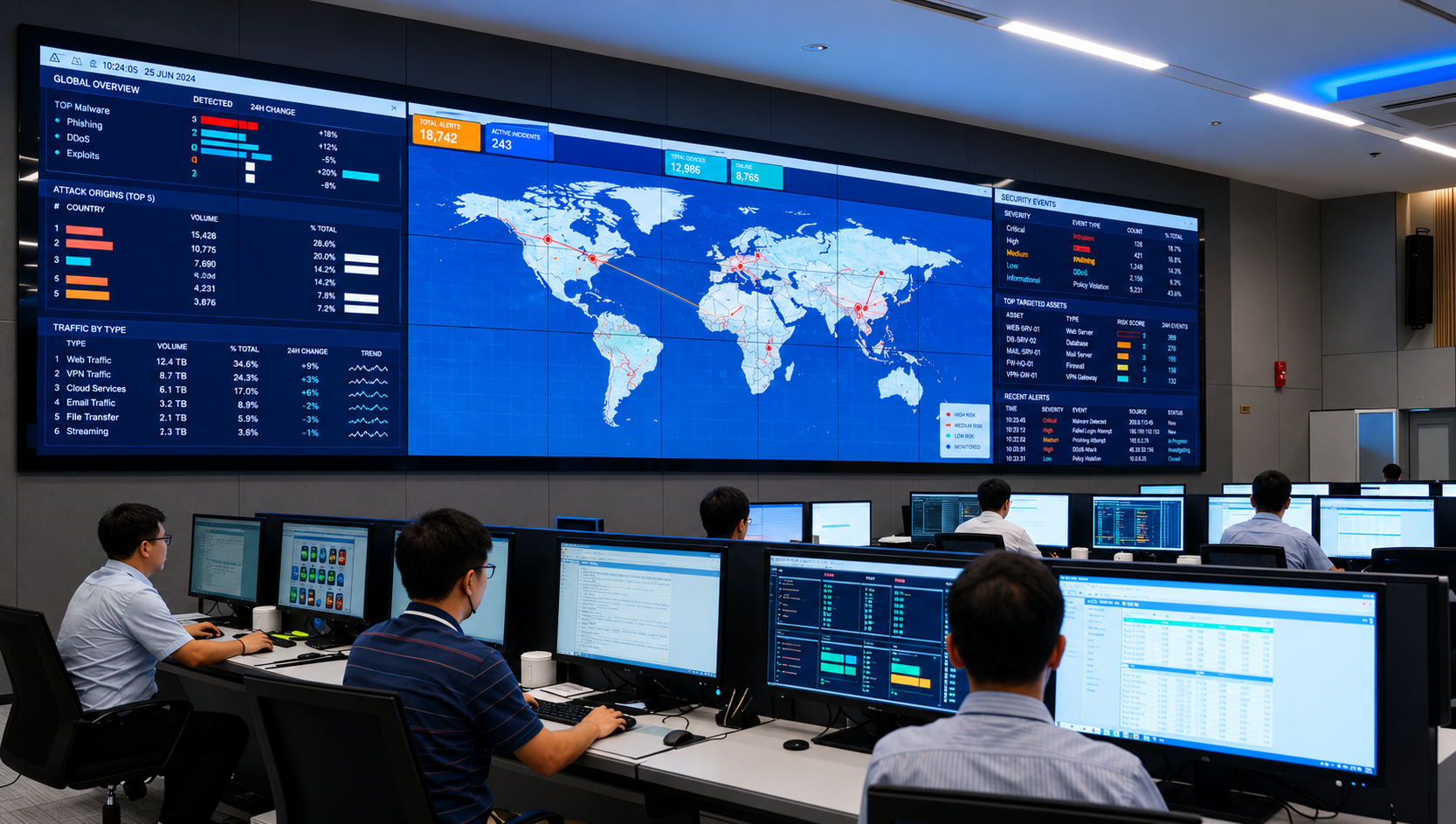
Artificial intelligence in freight forwarding is not about robots loading containers. It is about smarter software giving experienced logistics teams better information — faster than any manual process could deliver alone.
AI systems process large volumes of data at once. These include shipping routes, weather conditions, port congestion levels, fuel prices, and customs regulations across multiple trade lanes. The result is better planning, fewer surprises, and more reliable cargo movement overall. But those results only materialise when a capable team knows how to interpret and act on what the data is telling them.
For businesses, this means less time chasing shipment updates and more confidence in their supply chain. Freight forwarding technology in Singapore is no longer reserved for large multinationals. Mid-sized importers and exporters are now benefiting from these tools through their freight forwarding partners.
The shift is significant. Digital freight forwarding platforms powered by AI are replacing manual processes that used to take hours — sometimes days. And for businesses competing in fast-moving markets, that speed advantage is real. The best freight partners are the ones using these platforms to free up their teams for the decisions that still require human judgment.
Singapore's Push Towards Smarter Logistics
Singapore is not waiting for the rest of the world to lead on this. The government's Smart Nation initiative has made logistics digitalisation a national priority, and the Maritime and Port Authority of Singapore (MPA) has been driving this forward through its Maritime Singapore Digital Blueprint.
The MPA's roadmap outlines a clear plan for adopting technologies like AI, data analytics, and the Internet of Things across Singapore's port and shipping ecosystem. This puts Singapore-based freight forwarders in a strong position — they are operating in an environment built to support AI logistics in Singapore at a structural level.
For businesses choosing a freight partner here, this matters. A forwarder operating within this digital ecosystem — and backed by a team that understands how to use it — is better placed to offer the tools, integrations, and compliance capabilities that modern supply chains demand.
AI for Supply Chain Resilience & Disruption Management
Supply chain disruptions — port congestion, carrier delays, regulatory changes, geopolitical events — happen fast and without warning. Traditional freight forwarding reacts after the fact. But modern disruptions require smarter anticipation.
AI systems monitor vessel tracking, port congestion, customs processing times, and carrier performance across Singapore's trade lanes. When risks emerge, the system alerts Penanshin's experienced operations teams immediately. But here's what matters: AI surfaces the problem; our people solve it. Our teams assess impact, activate contingency routes, coordinate across our Southeast Asia network, and take decisive action before issues become crises. The technology is just an early warning system.
Here's what this partnership between AI and expertise delivers:
Early alerts
AI flags emerging risks hours or days before impact
Smart decision-making
Penanshin's operations team assesses each situation and chooses the right response (alternative carrier, different port, timing adjustment)
Immediate action
Our experienced coordinators execute contingencies across Singapore, Malaysia, Indonesia, Thailand, Vietnam, the Philippines, Cambodia, Myanmar, Brunei, and India
Carrier relationships
Our team leverages long-standing partnerships to negotiate priority handling and secure backup capacity when disruptions hit
Regulatory knowledge
Our specialists understand import/export rules across all 10 countries we serve and navigate changes on behalf of clients
A 2025 study found that companies using AI visibility reduced unplanned disruptions by 32%. But those numbers only happen when skilled teams act on that visibility. At Penanshin, AI is the tool — our people are the solution.
Real-Time Shipment Tracking Powered by AI
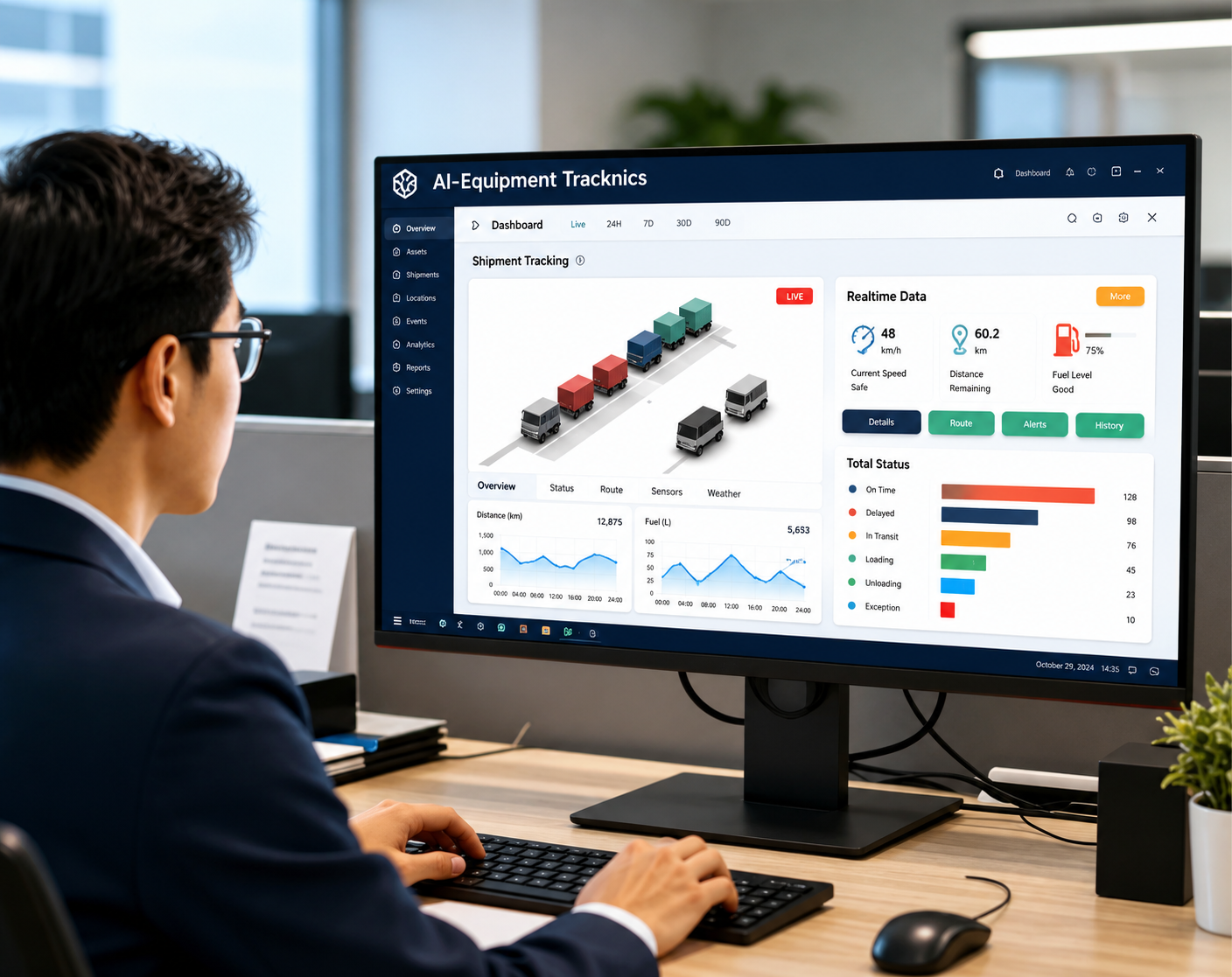
The biggest frustration for most importers and exporters is not knowing where their cargo is at any given moment. Traditional tracking relied on manual updates and static milestones. AI logistics in Singapore has fundamentally changed this experience.
AI-powered tracking platforms pull live data from carriers, ports, and customs systems simultaneously. They generate predictive estimated times of arrival — not just scheduled ones. If a vessel is delayed due to berth congestion at Tanjong Pagar Terminal, an AI system flags it early. From there, Penanshin's operations team takes over — assessing the impact, coordinating with relevant parties, and keeping clients informed before a delay becomes a costly problem.
This is what modern freight forwarding technology in Singapore looks like in practice:
| Traditional Tracking | AI-Powered Tracking |
|---|---|
| Manual status updates | Automated, real-time alerts |
| Fixed ETAs | Predictive ETAs based on live data |
| Reactive issue management | Proactive exception handling |
| Limited supply chain visibility | End-to-end cargo visibility |
For operations managers, this level of visibility means fewer calls to carriers, fewer missed deadlines, and better communication with customers and internal teams downstream. The technology surfaces the information — the team acts on it.
The logistics industry is undergoing a fundamental shift. Digital transformation is no longer optional — it is essential for any business that wants to stay competitive. AI is reshaping how freight moves, but the freight forwarders who get it right are the ones pairing these tools with people who know the region, the regulations, and the relationships that keep cargo moving.
How AI Is Streamlining Customs Documentation
Customs clearance has traditionally been one of the most error-prone parts of freight forwarding. A single mistake on a Bill of Lading or an incorrect HS code can hold up an entire shipment — sometimes for several days.
Artificial intelligence supply chain tools are now being applied to automate the preparation, verification, and submission of customs documents. Here is how it works in straightforward terms:
Data extraction
AI reads and pulls key information from commercial invoices, packing lists, and certificates of origin automatically
Error detection
The system cross-checks entries against customs regulations and flags inconsistencies before submission
Document classification
AI categorises goods using the correct HS codes, reducing the risk of misclassification penalties
Compliance checks
The platform verifies that all documentation meets the import and export regulations of both the origin and destination countries
Automated submission
Once verified, documents are submitted digitally, cutting clearance time considerably
Importantly, automation does not mean unattended. Penanshin's documentation specialists review flagged items and apply their knowledge of Singapore Customs requirements before anything is submitted. AI handles the volume and catches the errors; the team handles the judgement calls that require real-world experience.
This matters particularly for AI freight forwarding in Singapore, where the customs environment is well-regulated and accuracy is non-negotiable. Singapore Customs operates one of the most advanced TradeNet systems in the world, and AI tools are increasingly being built to work directly within this framework — with experienced freight professionals guiding the process at every stage.
AI Shipping Technology in 2026: Where Singapore Is Heading
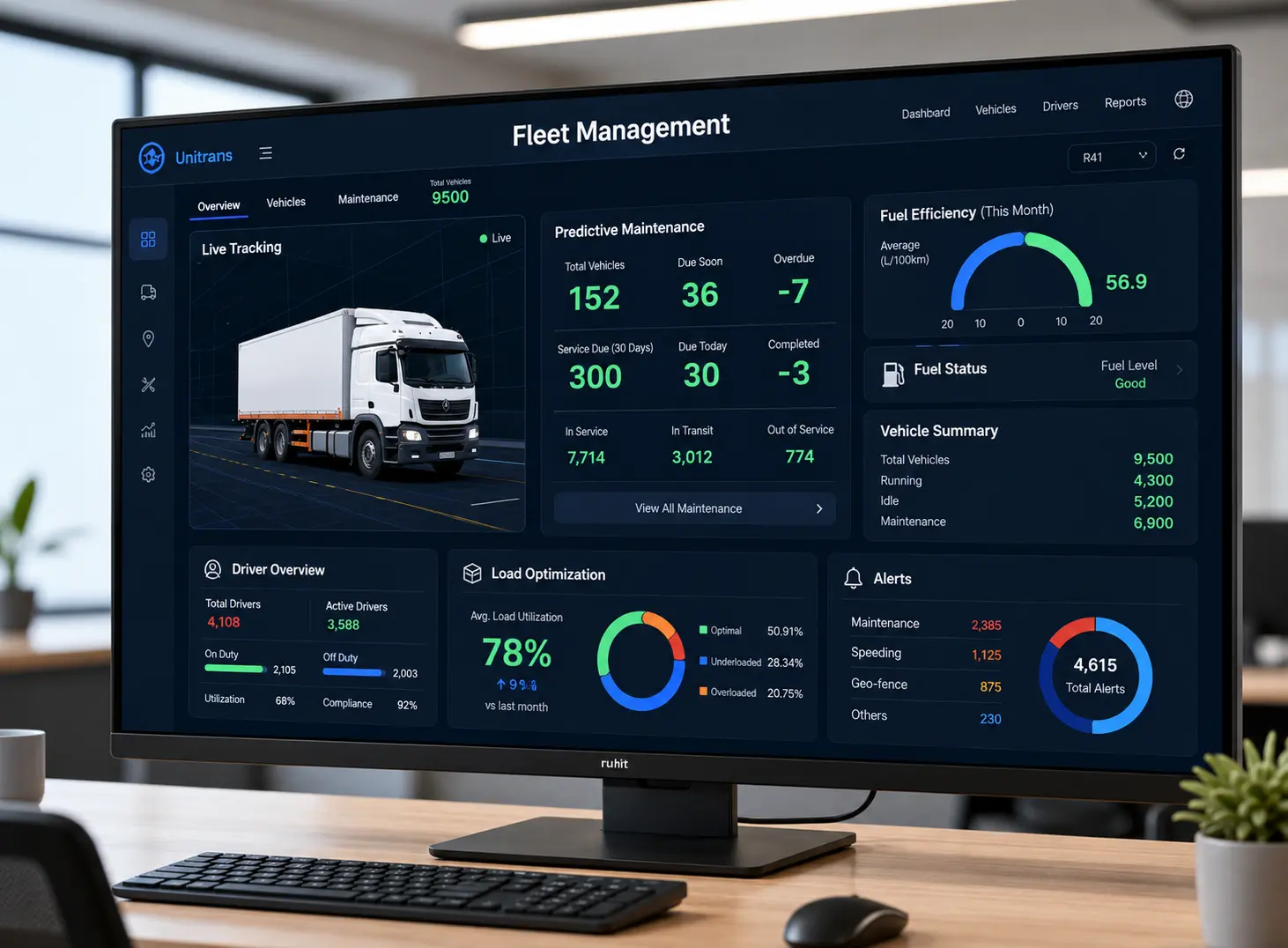
AI shipping technology in 2026 is not a future concept — it is already being implemented across Singapore's logistics sector right now.
The Singapore AI in logistics and ports market is growing at a consistent rate, with adoption accelerating across port operations, freight management, and trade facilitation. Globally, major logistics operators are integrating AI into their sustainability and efficiency frameworks — demonstrating how AI-driven route optimisation and load planning are reducing fuel consumption and carbon output across supply chains.
For Singapore, which handles over 37 million TEUs of container throughput annually, even marginal efficiency gains from AI translate into significant economic and environmental impact.
Here is where the sector is heading over the near term:
Autonomous port operations
AI managing crane scheduling, yard planning, and berth allocation with minimal human intervention
Demand-driven freight planning
AI systems connecting freight capacity with trade demand in real time
Integrated trade platforms
Single digital ecosystems connecting shippers, forwarders, customs authorities, and carriers
Greener supply chains
AI-powered load optimisation, reducing empty container movements and carbon emissions
For businesses working with a freight forwarding partner in Singapore, choosing one that understands and adopts AI shipping technology in 2026 is a competitive advantage. But the partners worth choosing are those where technology supports a capable team — not one where technology is the only answer on offer.
Why Choose Penanshin for AI-Enabled Freight Forwarding in Singapore
Knowing what AI can do is one thing. Working with a freight partner that puts it into practice — and backs it with experienced people — is another. Businesses across the region are increasingly turning to AI logistics in Singapore to gain a competitive edge, and Penanshin is built to deliver exactly that. We combine deep regional logistics expertise with a genuine commitment to smarter, more efficient freight forwarding for every client and every shipment.
Global Operations Hub
Since 1998, Penanshin has been a trusted name in logistics across Southeast Asia. Our operations span Singapore, Malaysia, Indonesia, Thailand, Vietnam, the Philippines, Cambodia, Myanmar, Brunei, and India — giving clients access to key trade lanes and logistics hubs with regional consistency and reliability built in.
One-Stop Logistics Provider
Penanshin goes beyond basic transport. We manage warehousing, customs clearance, inventory, container stuffing, and more — keeping your supply chain efficient and fully integrated. There is no need to juggle multiple vendors when one partner handles it all.
Competitive Pricing and Value
We deliver cost-effective logistics without cutting corners. Our strategic location in Singapore and our network of regional partners allow us to pass on real value — whether you need container trucking, oversized cargo handling, or tailored freight solutions.
A People-First Philosophy
At Penanshin, people come first — clients, partners, and staff alike. Technology helps us work smarter, but it is our team that makes the difference. Every cargo movement is managed with care, precision, and full accountability. This is not a policy. It is simply how we work.
Guided by Our R.I.S.E. Philosophy
Our R.I.S.E. values shape how we work and grow alongside our clients:
- Revamp — we continually improve our services to match evolving logistics needs
- Innovate — we embrace technology to enhance fleet management and cargo handling, always in service of better outcomes for clients
- Sustainability — we support low-impact transport options and responsible logistics practices
- Elevate — we raise service quality and efficiency standards across all operations
Dedicated
Our experienced team brings hands-on expertise to every job — from local freight movements to complex regional logistics projects. AI tools help us stay ahead of issues; our people make sure those issues get resolved. Whether it is a time-critical shipment or a specialised load, our professionals handle it with precision and care.
On Time
We understand how costly delays can be. Penanshin is focused on timely execution — ensuring every load is collected and delivered when expected, without exception. When AI flags a potential delay, our team acts on it immediately.
Lasting Relationships
We do not just move cargo — we build partnerships. Many of our clients have stayed with us for years because we consistently deliver results. Through trust, responsiveness, and reliable freight forwarding, we help businesses grow and stay competitive across the region.
Frequently Asked Questions
 
What is AI freight forwarding, and how does it work?
AI freight forwarding uses artificial intelligence tools to process data faster and spot patterns that humans would miss — things like the best routes, emerging delays, or documentation errors. But the technology alone doesn't move cargo. The real difference comes from experienced freight teams who know how to act on what the data tells them.
Here's the process: AI analyzes shipping routes, port conditions, carrier performance, and customs requirements in real time. It alerts your freight forwarder to opportunities and risks immediately. Then the experienced coordinators take over — they make the actual decisions, negotiate with carriers, activate backup routes, clear customs, and keep your shipment moving.
The most effective freight forwarders — like Penanshin — combine these smart tools with teams who have deep regional knowledge and the judgment to navigate the complexities that data alone cannot solve. AI speeds things up and reduces errors. People make it work.
How is AI being used in Singapore's logistics industry?
Singapore's logistics sector is adopting AI across port operations, trade documentation, and supply chain planning. Supported by the MPA's Maritime Digital Blueprint and the Smart Nation initiative, Singapore-based freight forwarders are integrating AI tools to improve efficiency, reduce costs, and strengthen compliance — with knowledgeable teams applying those tools in practice.
Can AI help reduce freight costs for businesses in Singapore?
Yes. Real-time visibility into shipment status, early disruption alerts, and faster customs clearance all cut unnecessary costs — from avoiding emergency expediting fees to eliminating delays that tie up working capital. When your freight forwarder catches problems before they become crises, you avoid the expensive fixes. Combined with optimised load planning and route coordination, businesses see measurable savings without compromising speed or reliability.
How does AI improve customs clearance in freight forwarding?
AI automates document preparation, flags errors before submission, and ensures HS code accuracy. Experienced documentation specialists then review the output before anything is filed — combining the speed of automation with the accuracy that comes from human expertise and regulatory knowledge.
Is Penanshin using AI in its freight forwarding services?
Penanshin is committed to innovation as a core part of our R.I.S.E. philosophy. We adopt technology that improves service reliability, shipment visibility, and operational efficiency — and our experienced team ensures those tools are applied with the care and judgement that clients across Southeast Asia have come to expect from us.
Looking for an AI-Ready Freight Forwarding Partner in Singapore?
Ready to work with a freight forwarding partner that combines smart technology with experienced people? Explore our air freight services and sea freight services to find out how Penanshin can support your business — from Singapore and across the region.
📞 Contact us at
+65 6221 2992
✉️ Or email
[email protected]
🕘 Available Monday to Friday, 8:45 AM – 5:30 PM